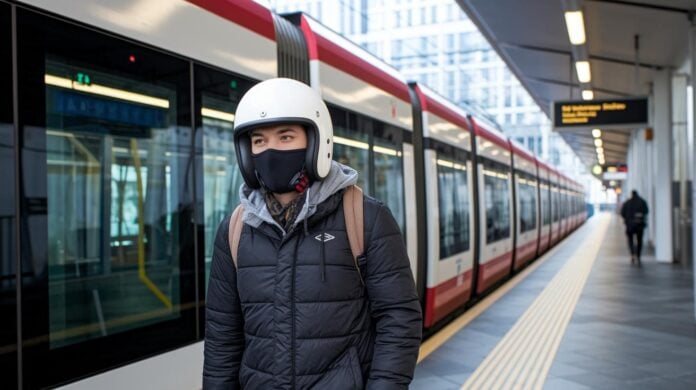

Have you ever stopped to think about just how safe flying really is? Chances are, you might be surprised. The numbers from 2025 show that the risk of an accident is tiny, roughly one in several million flights.
Modern airplanes are equipped with smart technology that can detect rough weather, and pilots perform detailed check-ups before each flight. It’s like having an extra set of eyes on the sky.
When you compare air travel with other ways of getting around, it quickly becomes clear why flying is a top pick for so many travelers. Next time you’re booking your trip, you can relax knowing that safety is built right into your journey.
Air Travel as the Safest Way to Travel
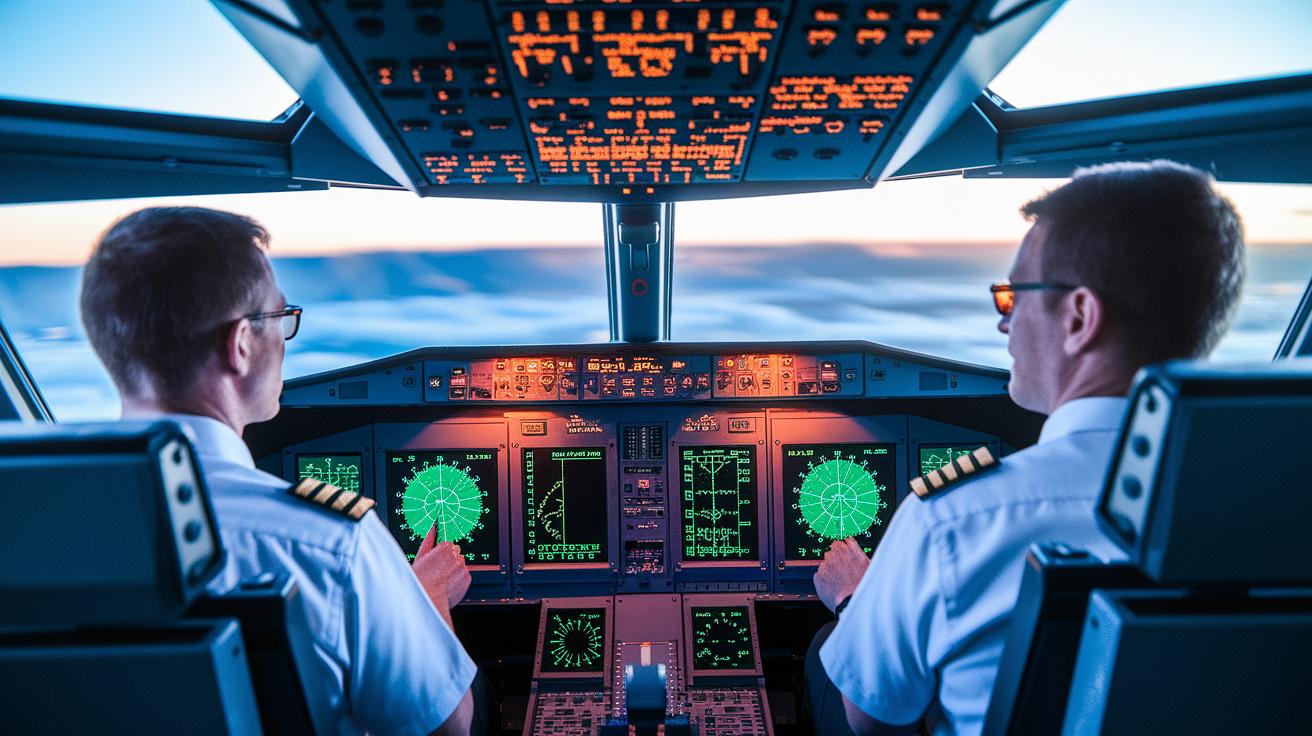
Flying is incredibly safe these days, and the numbers show it. In 2025, the chances of an accident were about one in several million flights, making it far safer than many of the common travel worries you might hear about. The stats pretty much answer the question: when it comes to safety, air travel wins.
Airlines now rely on smart tools to detect bumpy weather early, helping pilots adjust their routes before storms hit. This means that even when unexpected weather pops up, the crew is ready to handle it smoothly. Think of it like a rehearsal before a big performance, pilots train hard (using simulators for everything from wild weather to cybersecurity issues) under strict rules set by organizations like the FAA and EASA. It’s all about practice making perfect!
Boarding isn’t a last-minute scramble either; pre-flight checks are detailed and thorough. If you’re curious about what happens before takeoff, you can always look at guides like the "Expert guide to navigating airport procedures" for a closer look at these step-by-step checks.
Plus, modern planes have better air filtration and cabin designs, making the in-flight experience even safer. When you compare flying to driving, the numbers really jump out: the chance of something going wrong in the air is much, much lower than on the road. With all these safety measures developed over years of tech upgrades and strict oversight, choosing to fly gives you peace of mind on your journey.
All this smart planning and constant innovation means that air travel continues to be a remarkably safe way to get from point A to point B, letting you focus more on the adventure ahead.
Comparing Safe Travel Methods: Road, Rail, Bus, and Sea
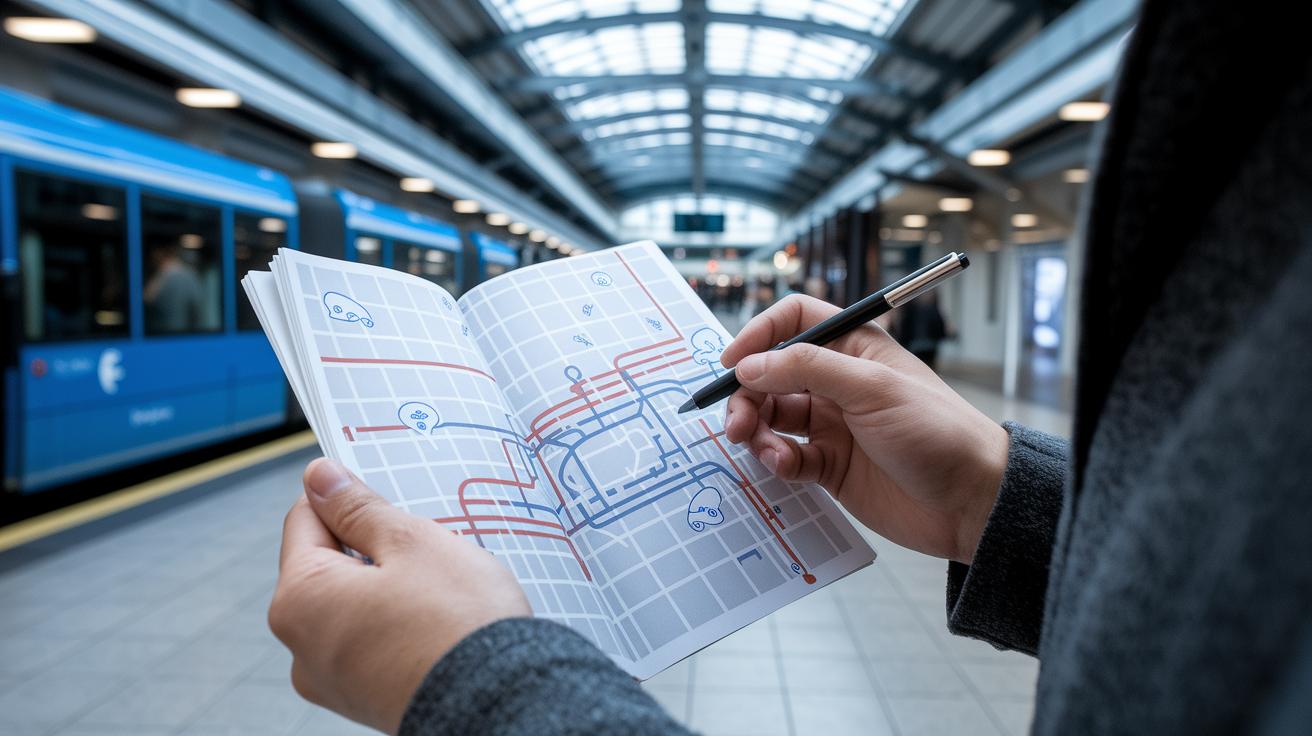
Road trips by car are a popular way to travel, but they also come with more risks. Even if you buckle up and stick to the speed limits, busy highways can be unpredictable, a tiny lapse in attention might lead to a serious accident.
Rail travel, on the other hand, is often one of the safest choices. Countries like Japan, Germany, and the United States take extra care with their train systems by following strict safety checks and protocols. Imagine riding a train that’s meticulously maintained, where even long journeys feel secure.
For medium-distance adventures, buses and coaches are a smart bet. These vehicles follow fixed routes and strict highway rules, with safety checks before every trip. It’s like having a well-planned itinerary where surprises are kept to a minimum.
When it comes to travel by sea, there are a few extra points to consider. Large cruise ships sometimes see more incidents, but shorter trips on harbor ferries are generally very safe thanks to regular maintenance and close oversight. Choosing a short-haul service is the key to keeping your sea journey secure.
| Mode | Safety Profile |
|---|---|
| Road Travel | Higher risk due to traffic collisions |
| Rail Travel | Very safe with low incident rates |
| Bus and Coach | Reliable for medium-distance journeys |
| Maritime Trips | Short-haul ferries are secure with strict oversight |
Each travel option carries its own safety vibe. With these insights, you can choose the mode that makes you feel most secure on your journey. Enjoy the ride and travel safely!
Pandemic Travel Protocols for Safe Travel
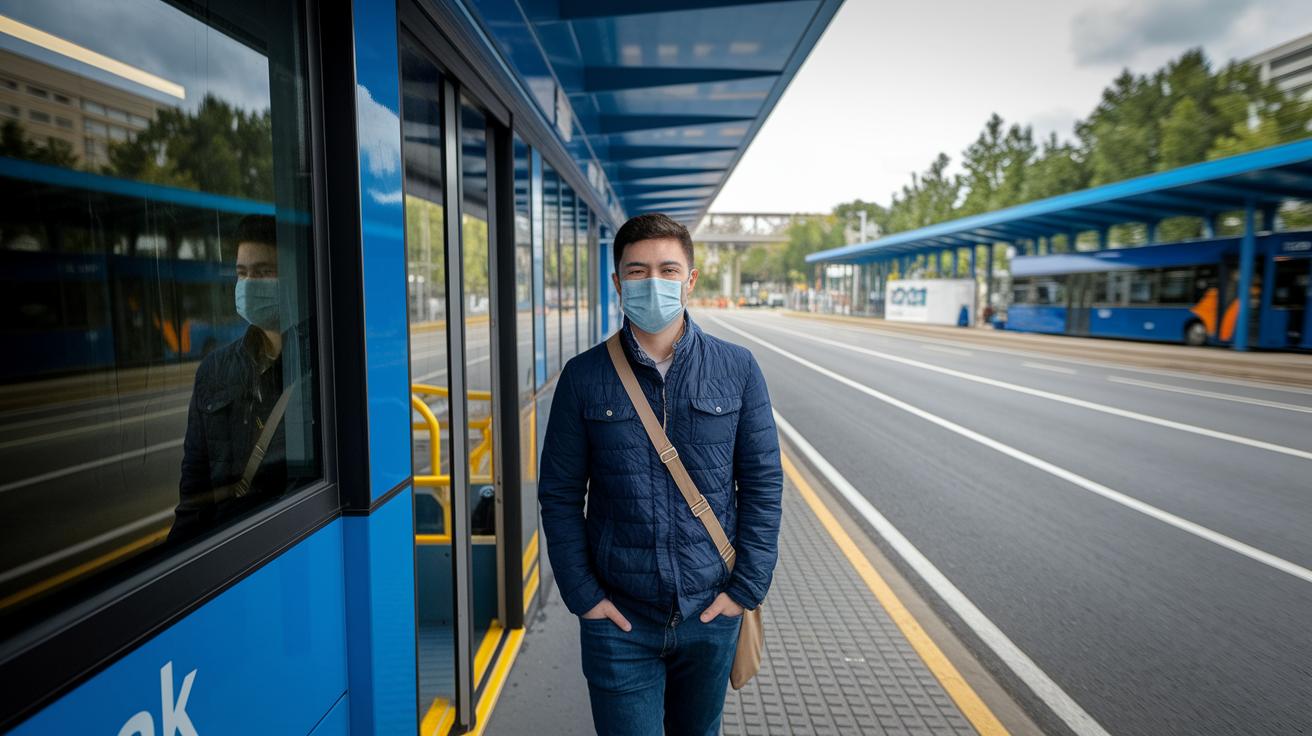
Since COVID hit, travel safety has become more important than ever. Airlines now use HEPA filters (special air purifiers) to keep the cabin fresh, and public transport systems often require masks and offer contactless baggage handling. Imagine climbing onto a bus or train knowing that every handle and seat is cleaned regularly, it’s a comforting change.
Travel advisories have turned into must-reads. Health organizations like WHO and national health sites share the latest on quarantine rules and vaccination needs. Some countries even ask for a recent negative test or proof of vaccination before you step off the plane.
Local services now take extra care with cleaning. After every journey, spots you touch often on buses, trains, or even cruise ships are wiped down. As these travel habits adjust over time, it’s smart to stay updated on the latest rules to plan your trip with ease.
- Check health portals for current travel advisories.
- Review your destination’s entry and health requirements.
- Pack extra masks and hand sanitizer to stay prepared.
For more details on entry rules and health updates, check out this link: International Travel Tips. Keeping an eye on these guidelines can help make your travel feel safer and more relaxed.
Pre-Travel Strategies for Safe Travel: Planning, Insurance, and Packing
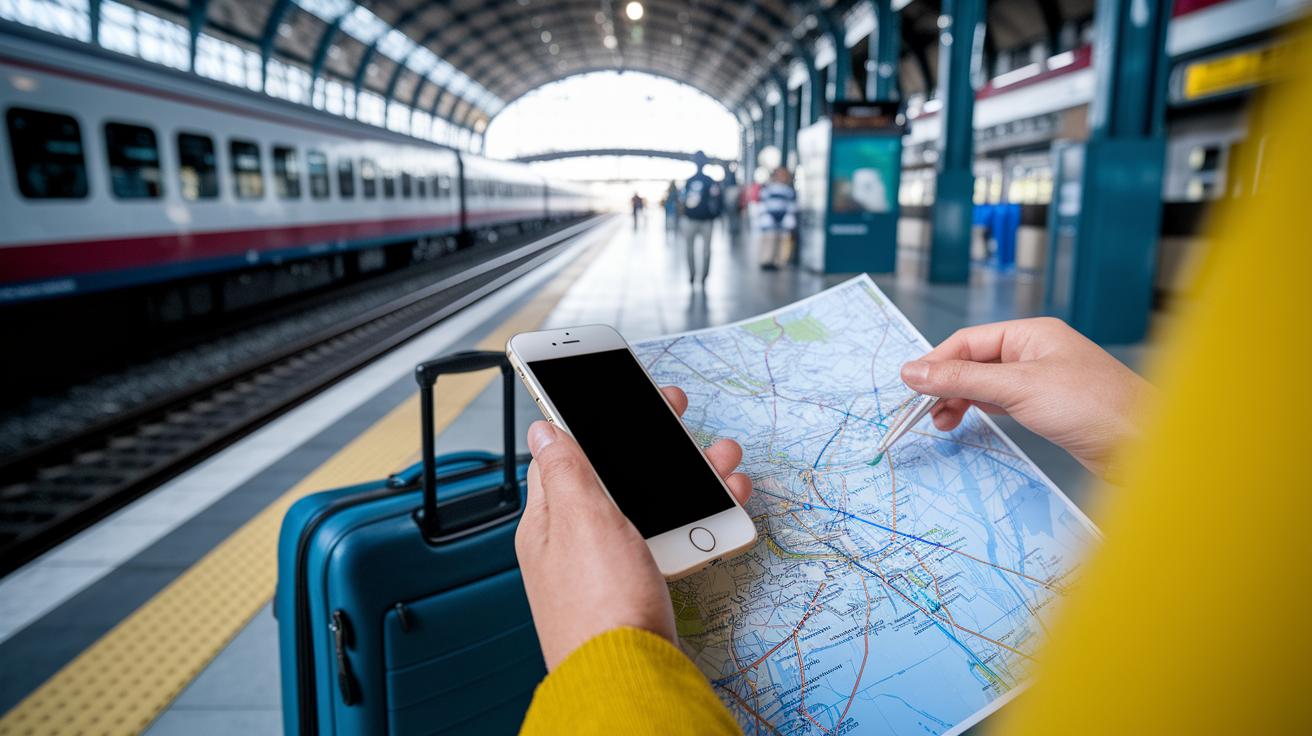
Before you embark on your journey, take a little extra time to plan your route. Grab a map, check out local crime stats, and read up on government travel advice. It’s like piecing together the perfect itinerary to help you dodge any unwanted surprises along the way.
When you're shopping for travel insurance, go for a plan that has you covered if things go sideways, think medical evacuation, trip cancellation, and accident liability. Consider it your safety net when life throws you a curveball. For more detailed tips, you might want to check out the Expert guide to travel insurance essentials.
Packing smart is another key piece of your travel safety puzzle. Make sure your travel kit includes some basic first-aid supplies, any meds you need, and a waterproof pouch to safeguard your important documents. It helps to jot down local emergency numbers and the details of nearby medical facilities. And hey, apps that store offline maps or send your location to trusted contacts can be real lifesavers. Need more ideas on what to pack? The Safety Tips for Travel has you covered.
Mapping your route, picking the right insurance, and packing wisely can make your journey feel secure and stress-free. These tips help you hit the road knowing you've done your homework, so you can focus on the adventure ahead.
In-Transit Safety Tactics for Safe Travel

When you're exploring new places, always keep an eye on your surroundings. Whether you’re on a bus, train, or rideshare, it pays to be alert. I usually tuck my cash and cards into a hidden money belt or snug wallet pocket so that nothing valuable is left out in the open.
When you’re walking around in the city, stick to well-lit areas. And if you're out late, why not travel with a friend or choose a guided service? On a bus ride, I make sure my luggage is right by my side so I can look after it throughout the journey.
While on the train, follow local guidelines, like buckling up if there’s a seat belt option, and ensure that children are safely fastened with proper restraints. And if you're using a rideshare, take a moment to check the driver’s details and share your trip information with someone you trust.
It also helps to note down the taxi or rideshare license plate and the driver’s name. Keeping a few safe habits like these makes each part of your trip smoother and much safer.
What is the Safest Way to Travel: Remarkable
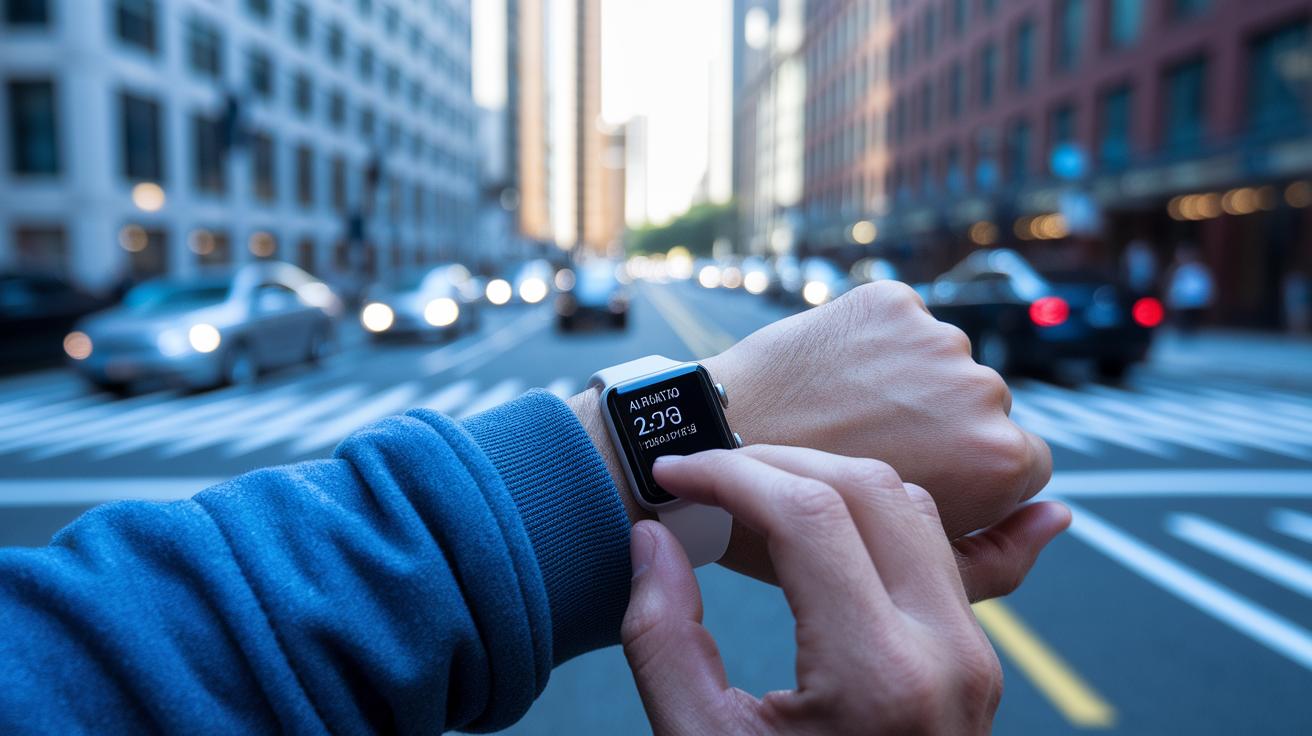
Smart devices and handy travel apps are changing the way we travel by keeping us safe and informed. They work like a friendly local, giving you a heads-up if bad weather, political unrest, or crime are close by. For instance, one popular app recently alerted users about a small protest right around the corner so they could easily change their route.
Digital platforms also help you choose the safest way to travel by rating airlines, trains, and buses based on their past record and safety checks. This lets you compare options quickly before you plan your journey. Wearable gadgets now monitor your health and can send out an SOS if something feels wrong. And if you need help, insurance apps make filing a claim or getting support as simple as a few taps.
All these modern safety trends let each of us plan our travels wisely and confidently. With technology by our side, every journey feels a bit more secure and every traveler is empowered to explore with peace of mind.
Final Words
In the action, we explored how air travel stands as a safe method with thorough safety measures, effective pre-trip planning, and real-time tech tools. We compared different transit types and highlighted health protocols that keep you secure. Each section offered clear steps, from checking flight safety records to following pandemic guidelines, to help map a secure and confident travel plan.
When choosing your next trip, remember to ask, "what is the safest way to travel" while embracing the peace of mind that comes with smart planning.
FAQ
Frequently Asked Questions
What is the safest way to travel near California or Texas?
The safest way to travel near California or Texas is using regulated air services backed by advanced safety protocols, combined with verified local transit that follows strict modern guidelines for a secure trip.
What is the second safest way to travel?
The second safest method is rail. Rail systems follow rigorous maintenance protocols and have low accident rates, making them a trustworthy alternative when air travel isn’t an option.
Why is the airplane the safest mode of transportation?
Airplanes are considered the safest mode due to strict regulation, advanced technology, and comprehensive pilot training. Statistical data show commercial flights face extremely low accident rates compared to other means.
What is the safest way to travel according to Reddit discussions?
Reddit users often point out that regulated air travel tops safety lists, thanks to proven safety records, real-time alerts, and pre-trip planning tools that keep travelers informed and secure.
What is the least safe way to travel?
The least safe option tends to be unregulated, small-scale sea transport. These methods often lack the rigorous safety checks found in commercial air or train travel, increasing risk during transit.
What is the safest means of transportation in the world and which travel method is the safest?
Air travel holds the top spot globally, thanks to strict safety regulations, cutting-edge technology, and thorough training. It is widely recognized as the safest form of transportation compared to others.
What is the riskiest way to travel?
The riskiest method usually involves informal, unregulated transport, such as small private boats without proper safety checks, which can expose travelers to higher danger compared to organized transit systems.
Is a train or airplane safer?
While both trains and airplanes are very secure, airplanes have a stronger overall safety record due to international standards, advanced safety technology, and strict pilot training programs.
Is flying safer than walking?
Flying is statistically much safer than walking. Extensive data shows that commercial flights have exceptionally low accident rates, making them a more secure option than everyday pedestrian risks.