
Have you ever felt that planning an international trip is just too overwhelming? You start to picture a jumble of flights, hotels, and budgets that all seem so daunting. But with a little planning, your dream getaway can turn into a relaxed adventure. Imagine picking your destination like you’d choose the perfect spot for a picnic, simply map out your time, budget, and fun little stops along the way. In this guide, we'll share a few smart tips that can help you shift from a chaotic itinerary to a smooth, worry-free escape.
Comprehensive Step-by-Step Guide to Planning an International Trip
Start by choosing your destination. This decision sets the vibe for your whole journey. For instance, you might say, "I want to explore Japan for several months," and that choice will naturally shape your budget and the fun activities you plan.
Next, think about how long you can travel. Ask yourself, "How much time can I take off?" Whether you’re planning a quick escape or a long adventure, the length of your trip will guide your daily spending and overall budget, kind of like choosing between a weekend getaway and a month-long road trip.
Then, dive into finding flights and places to stay as early as possible. Use fare-alert tools and search with flexible dates to snag the best deals. Picture this: aiming for cozy guesthouses that offer a local feel while keeping costs lower than a hotel. Once you’re happy with the options, go ahead and book your seats and lodging.
Now it’s time to set a budget. Break your expenses into chunks like transportation, meals, fun activities, and daily needs. Think of it as packing your suitcase, each item has its own spot. Pick a spending plan, whether it’s budget-friendly, mid-range, or a bit more upscale, that fits your travel style and wallet.
For extra peace of mind, book your tickets and accommodations right away. Keep an eye on cancellation policies and payment details. Then, put together a flexible itinerary by grouping nearby attractions and saving some free days for those unexpected local surprises. Ever thought, "Maybe I should leave room to discover a new market?" That’s the spirit!
Don’t forget to secure travel insurance as your safety net. Double-check that your passport is still valid (it might take up to a month to process a renewal) and look into visa requirements ahead of time. Programs like Global Entry can also speed up your customs experience when you land.
Lastly, set clear travel goals and review all your important documents. Get your bills sorted, let your bank know you’re traveling, and keep both digital and printed copies of your travel records. And most of all, plan on really diving into the local culture, chat with locals and experience the authentic traditions that make each place unique.
Planning International Trip Documentation: Passports, Visas, and Records
Before you start your adventure, double-check your passport to be sure it’s valid for at least six months past your travel dates, since getting a new one can take about a month.
Next, look up the visa and entry rules for the country you’re visiting (think of it as checking travel requirements) so you know how long the process might take and if there are any unique rules.
If you can, sign up for programs like Global Entry to help skip long lines when you return home.
Then, put together one simple checklist that covers:
- Passport validity and the timing for visa applications.
- Both digital and paper copies of your passport, flight tickets, hotel details, and travel insurance.
- Notifying your embassy and sharing your travel plan with a trusted contact for a bit of extra safety (like, “I updated my travel list and let my embassy know I’m abroad”).
Keep this checklist handy, it’s your all-in-one guide to making sure you don’t miss a step along the way.
Budgeting Your International Trip: Tips for Cost-Effective Travel
Start by breaking your trip into everyday expenses. Look up prices for a place to sleep, rides around town, meals, and fun activities to set a daily budget you can really count on. For example, you might discover a cozy local spot where you can get a meal for just $8, which helps you picture your overall expenses.
Next, decide how you want to spend. Whether you choose a budget-friendly path, mid-range comfort, or a touch of luxury, your choice shapes where you stay, eat, and explore, kind of like picking the perfect pieces for your travel bag. And remember, snagging flight tickets during off-peak times or booking early can keep your trip lighter on the wallet.
Using a travel credit card that comes with sign-on bonuses and no foreign fees is a clever idea. Imagine getting a card that not only cuts down on extra charges but also earns you points or miles to help cover part of your journey. It’s like having a little travel buddy to help manage your expenses.
Finally, plan how you'll exchange money well in advance, about two to four weeks before you depart. This way, you lock in good rates and dodge those high fees at the airport. A smart plan makes sure your funds stretch further and keeps any unwelcome surprises away.
Booking Flights and Accommodations for Your International Trip

When you’re comparing airlines, keep an eye on how long layovers last and what they charge for extra baggage. Picture this: one airline offers a quick two-hour layover while another leaves you waiting for nearly five hours. Choosing the faster option can save you precious travel time.
It’s also smart to review each airline’s baggage fee policy. Instead of paying a lot for bags over 50 lbs, look for carriers with friendlier fees for heavier luggage. Imagine a note saying, "Save on baggage fees, Airline C charges half as much as others for checked bags over 50 lbs." It’s a simple trick that can really add up.
When it comes to where you stay, picking accommodations close to public transport is key. Look for guesthouses or vacation rentals within easy reach of buses or trains. For example, booking a rental just a couple of blocks from the metro station could cut your taxi costs and let you experience the local vibe more authentically.
Here are some easy tips to help you book your trip smoothly:
- Compare airlines based on layover times and extra fees.
- Check baggage fee policies when weighing flight options.
- Choose lodging near public transit for easier local travel.
These little pointers can make your reservations simpler and help you discover details that other guides might miss. Enjoy planning your journey and safe travels!
Creating a Flexible International Trip Itinerary

Begin by planning each day so that nearby attractions are grouped together. It’s like planning a cozy stroll through your favorite neighborhoods, one day might be all about exploring museums, while another day invites you to discover quaint cafes and lush parks.
Next, leave some extra days in your schedule. These buffer days let you slow down if plans change or if a local event catches your eye. Think of it like leaving space in your suitcase for those unexpected souvenirs you find along the way. Focus first on the must-see spots and cultural events that really call to you, then fill in the rest with fun, spontaneous adventures.
Use simple planning tools like an editable schedule or an online planning site to keep track of your bookings, transport, and event times. Imagine a handy checklist that reminds you of key sites, travel details, and tasty dining spots, it keeps everything clear and easy.
Finally, tweak your itinerary based on local opening hours, seasonal changes, and how much energy you’re feeling. Let a little flexibility guide you so your journey stays enjoyable and stress-free, no matter what surprises come your way.
Packing Essentials and Pre-Departure Checklist for International Trips
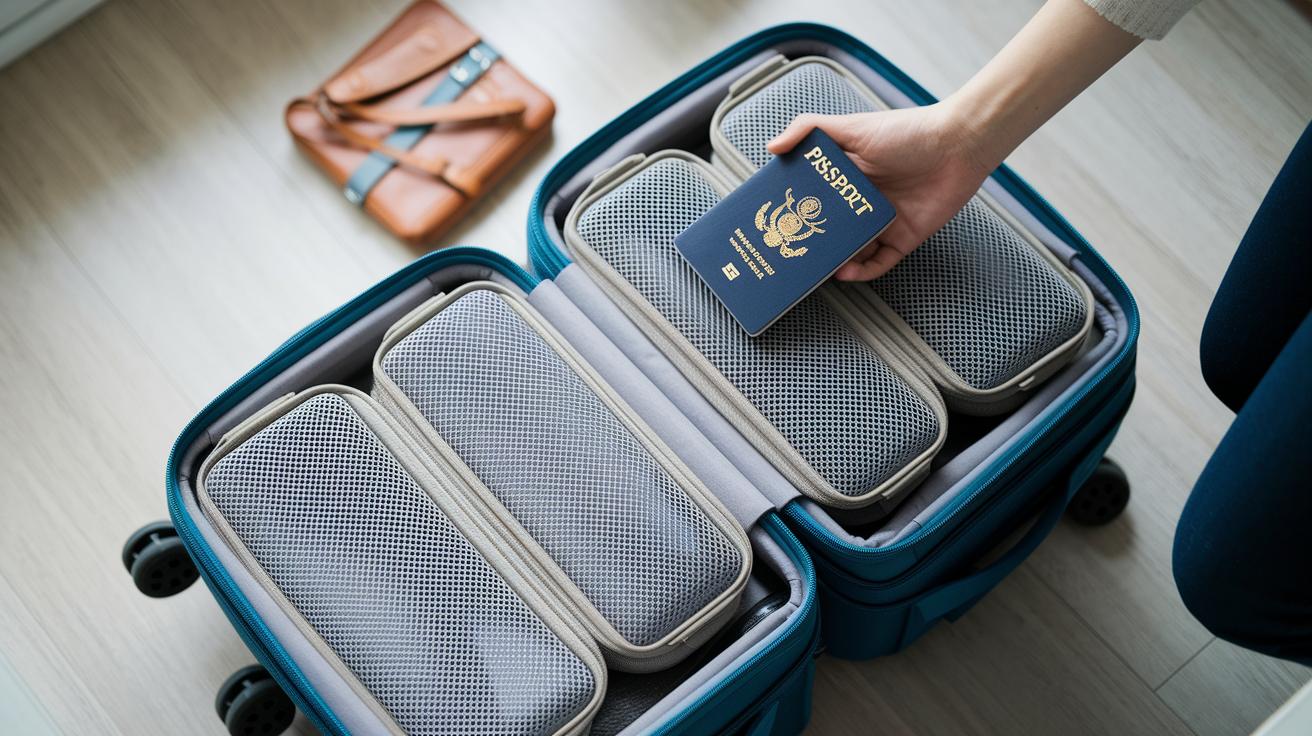
Before you even think about your trip, take a moment to review your airline’s baggage rules. Double-check the carry-on sizes, weight limits, and any items you can’t bring. It’s a real lifesaver later on at security.
When packing your bags, think of using packing cubes or compression bags. They work like magic, helping you organize your clothes and making every inch of your suitcase count. For more handy tips, try checking out some travel packing advice online.
Don’t forget the little things: pack travel-size toiletries, a small first-aid kit, and any prescriptions you might need. These items can really come in handy when an unexpected situation pops up.
Also, keep some physical copies of your most important documents, like your passport, travel insurance, and a list of emergency contacts. It’s a simple step that can save you a ton of hassle later.
Here’s a quick checklist to have your back on this adventure:
- Passport and photo ID
- Travel insurance policy
- Universal power adapter
- Medications and first-aid supplies
- Packing cubes or compression bags
- Lightweight rain jacket
- Printed and digital document backups
- Portable phone charger
Health, Safety, and Travel Insurance in International Trip Planning
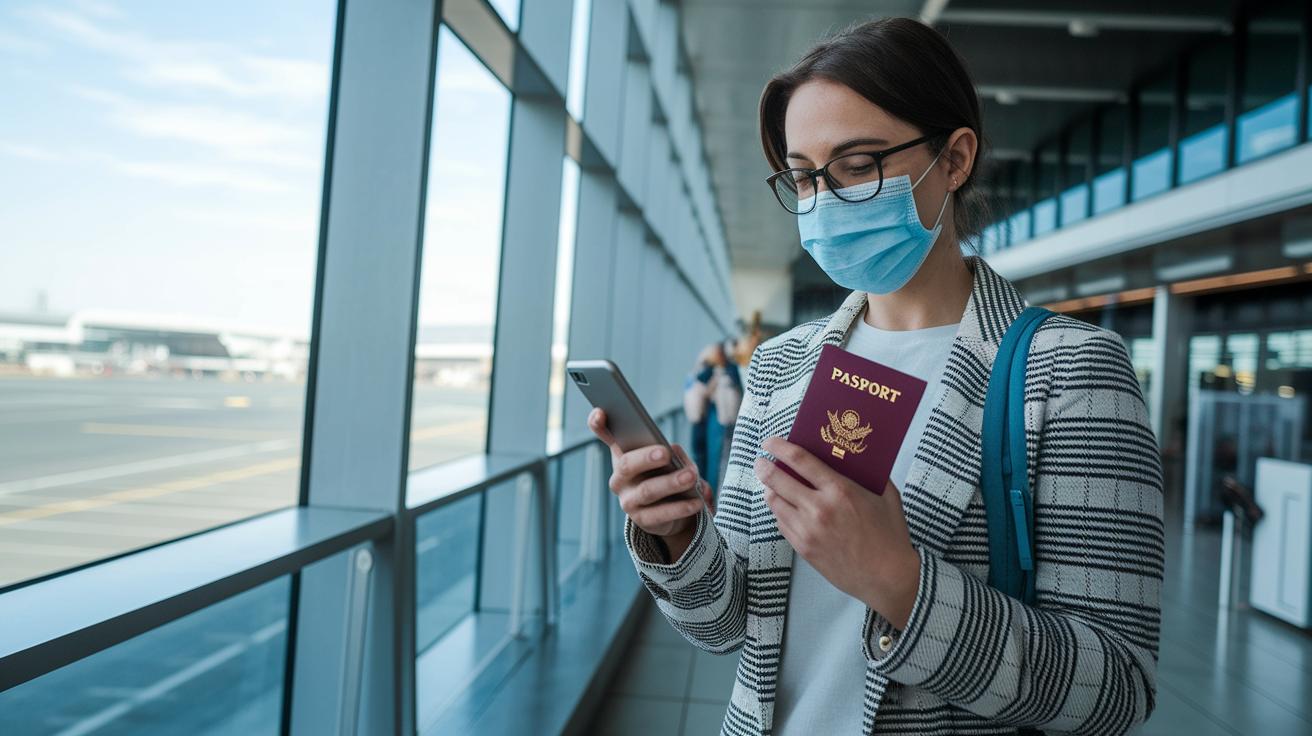
When venturing abroad, remember that your regular health plan might not cover you overseas. It pays to invest in travel insurance that covers unexpected illnesses, injuries, and even medical evacuation (think of it as a lifesaver if you suddenly need urgent help in a remote spot). This way, if something pops up health-wise, you can focus on recovery instead of the hassle of finding proper care.
Before you pack your bags, check the immunization guidelines and get your shots about a month before you depart. I once met a traveler who had to delay his adventure because he missed his vaccine window, avoiding that kind of stress is key to a smooth journey.
And hey, if you qualify, signing up for programs like Global Entry or TSA PreCheck can make passing through airport security a breeze. Also, a quick tip: let your bank know about your trip to steer clear of unexpected card issues, and tuck away a bit of emergency cash for those moments when your card might not work right away.
It’s a good idea to download safety apps that let you share your location and get real-time local alerts, staying informed can really boost your peace of mind. For extra guidance, check out expert travel insurance tips before you head out. Take a moment to review your policy details and even ask about coverage for unusual situations, so you’re ready for any detour along the way.
Local Culture and Logistics in Planning an International Trip

Before you set off on your adventure, it helps to learn about the local customs. Look into dress codes, tipping practices, and everyday social habits so you can step into the new place feeling at home. For instance, if you're visiting a country where people dress modestly, pack clothes that match the local style.
A few words in the local language can work wonders too. Try picking up essential phrases and consider downloading an offline translation app. It might be the key to a warm chat with someone giving directions or a quick compliment on a delicious meal.
Sorting out your ground transportation beforehand is another smart move. Check out metro lines, bus schedules, or ride-share options so you can get around easily. And if you're on the hunt for a great place to eat, look at real traveler reviews, they often point you to spots where you can really taste the local flavors.
Lastly, if you get a chance, try joining local events or volunteer programs. It's a great way to connect with residents and see traditions up close, far beyond the usual tourist sites. Embracing these local insights not only makes your trip smoother but also enriches the whole experience.
Final Words
In the action, you’ve explored a clear 10-step outline, from picking a destination and setting budgets to booking flights, creating flexible schedules, securing key documents, and planning health and safety measures. Each section shares practical tips on how to plan an international trip, making travel planning straightforward. Small steps like packing smartly and embracing local customs add a personal touch to your prep. Every detail helps build a stress-free plan for your next outing. Enjoy every step in setting up a memorable overseas experience!
FAQ
How to plan an international trip based on Reddit advice?
The Reddit advice for planning an international trip highlights real-life tips, including researching flights, lodging, and cultural insights shared by fellow travelers to help you organize a rewarding experience.
How should a beginner plan an international trip on a budget?
The beginner’s approach to planning an international trip on a budget means setting a realistic daily spending target, researching affordable flights and accommodations early, and building a flexible itinerary with room for spontaneity.
What should be included in a planning checklist for an international trip?
The checklist for an international trip covers verifying passport validity, checking visa requirements, booking tickets and lodging early, setting a budget, and organizing both digital and paper copies of essential documents.
What is an international trip planner?
The international trip planner is a tool or system that helps you organize details like itineraries, budgets, documents, and reservations, keeping your travel arrangements clear and manageable.
What kind of quotes inspire a first international trip?
The quotes that inspire a first international trip remind you to embrace new experiences, step outside your comfort zone, and view every moment as a chance to explore and grow in a new cultural setting.
How do you use an international travel itinerary template?
The international travel itinerary template helps you plan day-by-day activities, group nearby attractions, and include buffer days, making your travel schedule both organized and adaptable to unexpected local discoveries.
What makes a destination ideal for a first international trip for families?
The best first international trip for families involves choosing places with family-friendly accommodations, accessible attractions, and safe public transport, which support both relaxation and engaging cultural exposure.
How much does a typical international trip cost?
The cost of a typical international trip depends on your destination and travel length; careful research on daily expenses for meals, lodging, transport, and attractions will help you build an effective budget.
Is $20,000 enough to travel the world?
The idea of traveling the world on $20,000 depends on your travel style; it can be enough if you choose affordable destinations, monitor daily spending closely, and plan trips that match your realistic budget.
Which country is considered best for a first international trip?
The country best suited for a first international trip is one with welcoming locals, clear cultural norms, and cost-friendly options—places like Canada, Ireland, or similar destinations offer comfort and enriching experiences.