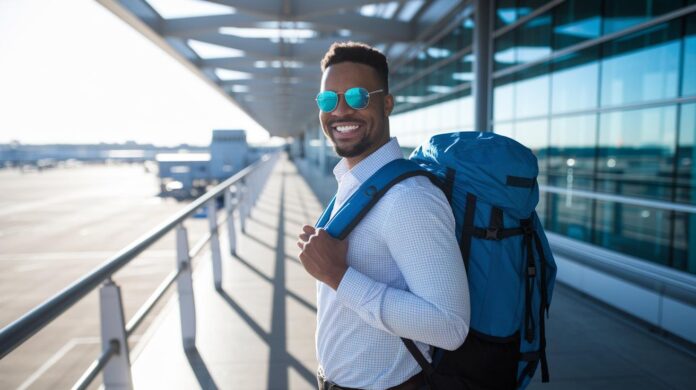

Have you ever thought a few simple habits might make your trips feel a lot safer? Imagine starting your journey with a clear plan that keeps you feeling confident at every turn. Maybe you've shared your itinerary with a trusted friend, packed a small sound alarm for emergencies, or downloaded offline maps for when the network fades away.
These easy tips can really help ease your worries along the way. In this post, you’ll discover how a couple of smart moves can boost your confidence and keep you prepared, no matter where your next adventure takes you.
Essential Travel Safety Tips for All Trips
Before you set off, it's a good idea to get some background on your destination. Look into how safe local transportation is, check out any crime records, and be aware of common scams. For instance, when you hail a taxi, make sure it’s licensed, kind of like checking a friend’s ID before a meet-up.
Let someone you trust know your travel plans. Share your full itinerary and even your live location using a tracking app. That way, instead of posting updates on social media, someone reliable is always in the loop about where you are.
Consider packing a small sound alarm. It’s a simple, non-physical way to feel safer, almost like having a little safety net in your bag that’s ready to alert you if something feels off.
Download offline maps before you go so you can navigate even when mobile service is spotty. If you're a U.S. traveler, you might also want to join the STEP program to get essential updates and quick contact info during emergencies.
It’s smart to set aside a bit of extra money for safe transportation and lodging. Grab a local SIM card or get an international plan to stay connected, which can be a lifesaver if you need to change plans on the fly.
And, most importantly, trust your gut. Walk with purpose and pay attention to how locals take care of their belongings and move around. It really helps to stay alert and confident, keeping any risky situations at bay.
- Research local conditions
- Share your itinerary and live location
- Carry a sound alarm
- Download offline maps
- Use a local SIM or international plan
- Trust your instincts
- Walk with confidence
- Keep a budget for safety upgrades
Pre-Trip Safety Planning and Document Security
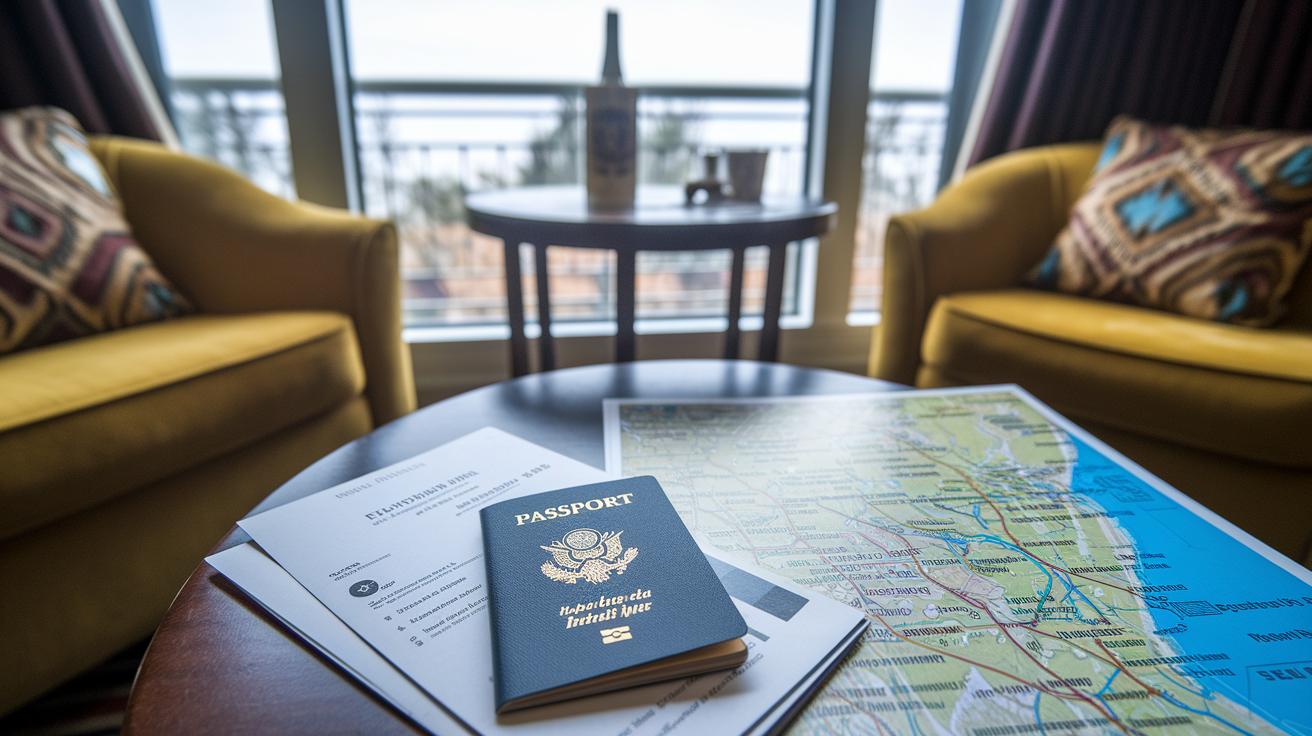
Before you head out, take some time to do your homework and secure your documents. Check official advisories and learn about local laws and customs. For example, have a look at the bali travel advisory for the latest insights. This simple prep work makes you feel ready and confident for your journey.
When you're packing, remember to set aside a special spot for your essential documents, as suggested by travel packing tips. If you need special permissions or visas, a quick review of a visa guide can save you some stress. Also, signing up for the US STEP program means you'll get regular updates about your destination, keeping you informed every step of the way.
Let your family or trusted friends in on your itinerary and share your real-time location. Keep all your vital paperwork close by, not just your passport or visa, but also emergency numbers like local police, ambulance services, your embassy, and insurance contacts. It might also be a smart move to download embassy and consulate details offline, just in case you lose service.
- Make extra copies of your essential documents and store them safely
- Keep emergency numbers saved on both your phone and on paper
- Map out a backup plan for any unexpected changes in your itinerary
Taking these steps not only boosts your confidence but also lets you focus on the thrill of new experiences with peace of mind.
Health Precautions and Insurance Strategies
Traveling is a blast, but keeping yourself healthy is key to enjoying every moment. Start with easy steps like washing your hands before you eat and choosing freshly prepared meals. It's much like picking the best local treat, you want something safe and satisfying. Always drink water you trust, whether it's bottled, boiled, or treated with iodine. And yes, skip drinking ice made from tap water. A little insect repellent goes a long way too, helping you avoid bugs that could carry illnesses like malaria or dengue. Reading labels is just like checking a recipe, you never know what surprises might be hiding in plain sight.
When you're off the beaten path and local healthcare might be limited, it's smart to steer clear of risky adventures that could lead to injury. Think of it like packing for a journey: you make sure to include all the essentials, including solid travel insurance that covers both medical treatment and evacuation if needed. This kind of insurance is your safety net, ensuring that unexpected bumps in the road don't turn into big problems.
Keep an eye out for places that serve clean food and drink as you explore. Following these simple health tips not only helps fend off potential issues but also boosts your confidence to dive into new adventures. Stay alert, plan ahead, and let your health be your trusty travel buddy on every journey.
Securing Accommodations and Lodging Safety Measures

When planning your stay, start with trustworthy hotels or rentals that have solid reviews. It’s a good idea to check that all the doors and windows lock well, think of it like locking up your diary so your secrets are safe. Also, consider picking a spot that offers in-room safes or handy portable lockboxes to keep your valuables secure.
It helps to avoid rooms on the street level since they can be easier for unwanted visitors to approach. As soon as you arrive, take a quick look around to locate the emergency exits. It’s a bit like scoping out your escape route at a new restaurant, knowing where to go adds that extra cushion of security.
- Check that all entry points have secure locks
- Use in-room safes or portable lockboxes for your valuables
- Select a room that’s not on the street, like one on a higher floor
- Find and note the emergency exit locations
- Turn away unfamiliar visitors at the door
For those traveling solo, it’s smart to take extra precautions. Keeping emergency numbers on your phone or a printed note can help you feel even more secure, so you can unwind and really enjoy your adventure.
On-Ground Vigilance and Situational Awareness
Staying alert on your travels not only builds your confidence but also keeps risks at bay. Dress in a way that fits the local style; it helps you blend in and shows you respect the local culture. Try learning a few local words, say "Hello" or "Thank you", to smooth out everyday interactions and maybe even get a tip or two about safe and popular spots.
Walk with purpose. When you move confidently, it’s like having your own personal safety net. It lets others know you’re aware of your surroundings and helps you notice when something or someone seems off.
Here are some friendly tips to help you stay sharp on your journey:
- Wear clothes that match local customs so you don’t attract unwanted attention.
- Learn a few key phrases in the local language to make communication easier.
- Adopt a confident walk that sends a clear message: you know where you’re going.
- Keep an eye on how people in the area protect their belongings.
- Avoid walking alone at night in quieter places.
- Use trusted local guides when you’re exploring unfamiliar areas.
- Watch out for any odd behaviors or groups which might signal potential risks.
- Identify safe spots like busy cafes or public spaces where you can take refuge if needed.
Imagine yourself at a quiet street corner that suddenly feels off. Your gut might nudge you to switch to a busier route, kind of like changing a flat tire on a long drive when you sense trouble. This little habit of staying observant can really make a difference in keeping you safe on your travels.
Safe Transportation and Secure Transit Tips
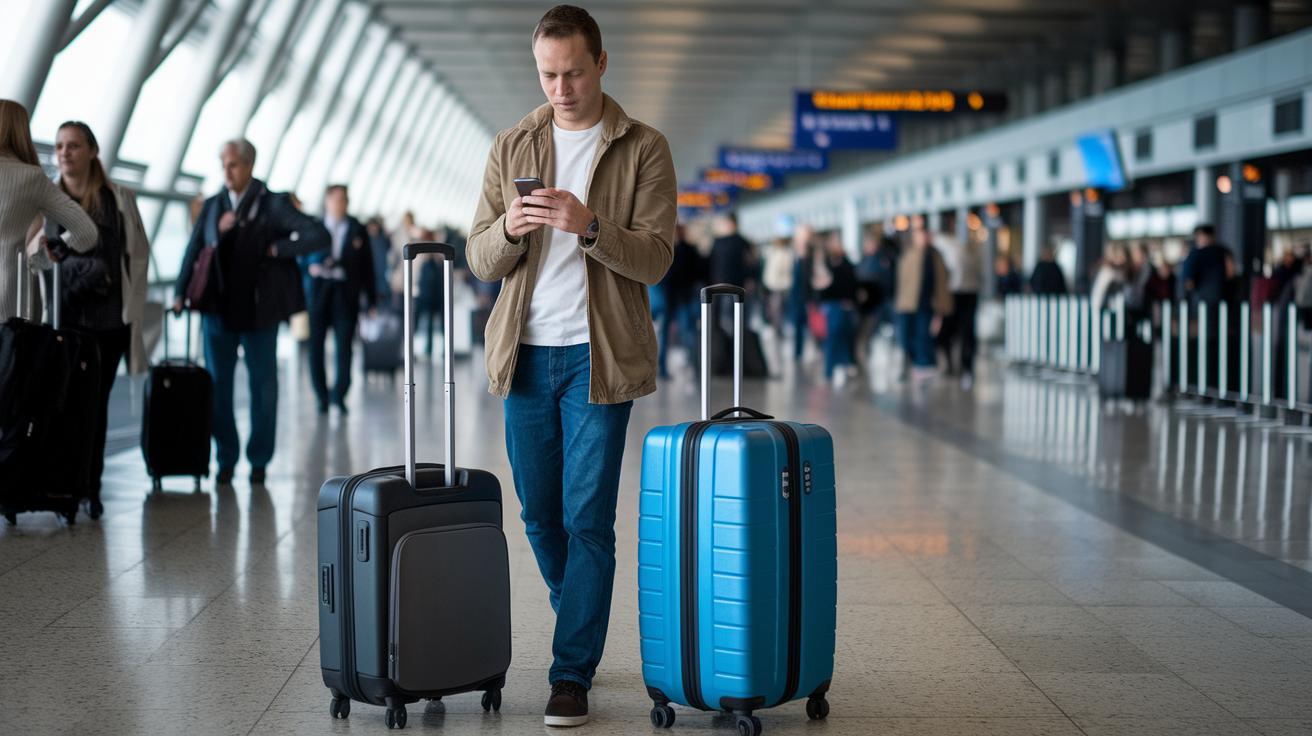
Plan your trip with care to keep your journey smooth and safe. Instead of hopping into any ride you see, opt for regulated transportation like airport shuttles or hotel pickups, sort of like choosing your favorite diner over a mystery kitchen. And hey, don’t forget to download offline maps as a backup when your mobile signal fades away.
Double-check who’s behind the wheel and make sure the license plate matches the ride details. It’s much like confirming a friend’s face before meeting up in a busy park. Sharing your transit details with a trusted contact can also add a comforting layer of security. And if something feels off, steer clear of scooters without helmets or rides that seem overly fast and informal.
- Check safety reviews for every transit option.
- Choose regulated services like airport shuttles and hotel pickups.
- Download offline maps for backup navigation.
- Share your ride details with someone you trust.
- Verify the driver’s identity and match the license plate with the ride info.
- Avoid unhelmeted scooters and high-speed, informal rides.
Emergency Response and Contingency Planning During Travel
When you're on the road, having a plan for emergencies can really boost your confidence. A handy trick is to carry a mugging kit that might include a dummy wallet (with a cancelled card), a bit of cash, and an older phone you can hand over if you feel threatened. It also helps to have a simple list of important local numbers like the police, ambulance, embassy, insurer, and bank contacts, kept both on your phone and written down.
If you ever feel in danger, trust your gut and get out of there quickly. Head to a busy spot, like a cafe or hotel, where you can ask for help. And it’s smart to check government travel warnings regularly; these updates (like a travel advisory for Colombia) keep you informed about any safety concerns. With a clear plan in place, you’ll be set to handle everything from theft to unexpected medical or natural emergencies.
Before you head out on your next trip, take a moment to go over your emergency plan and update your contact list. Staying prepared can save you time and stress, letting you enjoy the adventure with a bit more peace of mind.
Final Words
In the action, we explored key measures to keep every trip secure. You found tips on research of local conditions, secure document handling, and clear steps for emergencies. The post highlighted ways to stay healthy, safe lodging ideas, and smart transit selections. It also offered a quick, practical checklist ensuring you're alert at every moment. Follow these safety tips for travel to make the most of your adventures with confidence and a smile on your face. Enjoy planning with care and enthusiasm!
FAQ
Safety tips for travel reddit
The safety tips shared on travel reddit focus on checking local conditions, sharing your itinerary with trusted contacts, carrying a small sound alarm, and downloading offline maps to help you feel secure on your trips.
Travel safety tips pdf
The travel safety tips pdf often outlines step-by-step advice such as verifying local advisories, securing your important documents, sharing your live location, and choosing reliable transport options for a worry-free experience.
International travel safety tips
The international travel safety tips stress the importance of researching local customs, enrolling in embassy notification programs, using a local SIM or international plan, and sharing your detailed travel plans to maintain security abroad.
Safety rules while travelling on road
The safety rules for road travel include checking your vehicle’s safety features, keeping emergency contacts handy, planning your routes ahead, and ensuring you lock your doors, all of which can help protect you during your trip.
Safety tips for traveling in Europe
The safety tips for traveling in Europe advise using secure transport options, staying aware of your surroundings, sharing your live location with a contact, and opting for lodgings with reliable security features for peace of mind.
Why is travel safety important
Travel safety is important because it reduces risks like theft, accidents, and health emergencies. Good planning and adherence to safety tips keep you more secure, enhancing your overall travel experience.
Business travel safety tips
Business travel safety tips recommend preparing thorough itineraries, securing important travel documents, booking safe accommodations, and letting a trusted contact know your travel details to minimize risks while on work trips.
Domestic travel safety tips
Domestic travel safety tips include researching local conditions, using reliable transport, guarding your personal belongings, and keeping someone informed of your plans so you can enjoy your trip with extra confidence.
What are 10 safety tips?
Ten safety tips include researching local conditions, sharing your itinerary, checking local advisories, choosing secure accommodations, verifying transport safety, using offline maps, carrying a small alarm, practicing good hygiene, having emergency contacts, and trusting your gut.
What is the biggest concern of people while traveling?
The biggest concern for travelers is ensuring personal safety—from theft to scams and health risks. Keeping track of belongings and staying in well-lit, secure areas usually tops many travelers’ minds.
Do and don’ts of travelling?
The do’s and don’ts of traveling suggest doing thorough planning, securing documents, and staying aware of local customs, while avoiding posting live travel updates and leaving belongings unattended to maintain security.
What are the three most important travel tips you consider before traveling?
The three essential travel tips are to research local conditions thoroughly, secure all important documents, and share your itinerary and live location with someone you trust for added safety before you set off.