

Ever wondered if you’re really covering all your bases for a safe trip? Getting your travel details sorted ahead of time can make all the difference. Imagine booking an overnight flight so you get a good sleep (that way you feel refreshed upon arrival) and arranging rides before you even get to the airport.
When you plan big things like your flights, a cozy place to stay, and even a backup plan for unexpected hiccups weeks in advance, you really cut down on surprises and extra expenses. Next time you set off on an adventure, take a moment to lay out these details. It’s like packing your favorite snacks for a long journey, you’re ensuring you have what you need for a smooth and enjoyable trip.
Must-Do Pre-Trip Planning Tips for International Travel
- Try booking an overnight flight around 9 pm so you can get some solid sleep on the plane and beat jet lag.
- Make sure you have a plan for getting out of the airport by pre-booking a trusted ride; for example, setting up a Cancun shuttle ahead of time can cut your transport costs by 75%.
- Reserve both your flights and your accommodations 4 to 6 weeks ahead to lock in better rates and dodge last-minute stress.
- Look into different ways to travel from the airport, like buses, trains, or local shuttles, to find what works best for you.
- Explore other lodging options that match your space needs and budget.
- Check out online travel resources to gather tips from travelers and read real reviews from people who have been there.
- Make a handy checklist that covers flight times, exit plans, and alternative places to stay.
- Double-check cancellation rules and refund policies so you’re prepared if plans change.
Booking that overnight flight isn’t just about snagging a seat, it’s a smart travel trick to mix rest with your journey. You can catch some quality sleep while in transit, which means you wake up feeling a bit more refreshed. And pairing your flight with a pre-arranged ride from the airport saves you unexpected costs and delays, setting a relaxed tone for your trip.
Planning everything 4 to 6 weeks in advance lets you compare different lodging and transport deals, helping you design your itinerary around your comfort and budget. A simple checklist covering everything from flight details to exit strategies ensures you’re all set, making the start of your international adventure as smooth as possible.
Document and Visa Preparation for International Travel

• First off, check your passport’s expiry date. Make sure it stays valid for at least six months after you plan to return home.
• Look into the visa rules for your destination. Some places let you in without a visa, others give you a visa on arrival, and a few require you to apply ahead of time. It’s best to know which one applies to you.
• If you need a new passport or a renewal, start that process as soon as you can. It can take anywhere from 4 weeks to 3 months, so don’t leave it to the last minute.
• Schedule your visa applications early. Processing times can take between 4 to 8 weeks, so think of it like packing your bag, every step counts.
• Gather any extra documents you might need, like invitation letters or proof of onward travel. Adding these to your checklist keeps things neat and stress-free.
Taking the time to sort out your documents really sets you up for a smooth trip. When your passport is all in order and you’re clear on visa requirements, you dodge unexpected delays at the airport. It’s a bit like making sure every essential item has its perfect spot in your suitcase, making your journey as carefree as possible.
Getting your travel paperwork together now helps you avoid last-minute scrambles later. With everything checked off your list, you can focus on exploring and soaking in every exciting moment of your overseas adventure.
Budgeting and Currency Management for International Travel
Start by making a simple plan to keep your spending in check. Consider ordering your foreign currency from your bank about 1–2 weeks before you leave. This way, you can snag a better rate and even have your cash delivered straight to your door. One traveler once said that ordering dollars ahead of time saved them a lot of hassle at the airport, where rates can be much less friendly.
Next, try planning your trip during the off-season. Airfare and lodging tend to be cheaper then, and you’ll have more room in your budget to enjoy the adventure. Imagine exploring a quiet European town in late fall, with fewer crowds and more money left for little treats, sounds fun, right?
Also, don’t forget to join airline and hotel rewards programs before you book your tickets. These programs turn your everyday purchases into points or miles, adding up faster than you’d think. One traveler mentioned, "Booking my flights with a rewards credit card felt like a hidden bonus that made every trip a win."
- Order your foreign currency from the bank 1–2 weeks in advance.
- Book your trip during off-season months to score great deals.
- Enroll in rewards programs for airlines and hotels to earn extra perks.
Using these simple budgeting and currency tips means you can travel with less worry and more excitement. It's all about making your money work smarter so you can focus on discovering new places and creating unforgettable memories.
Packing and Carry-on Organization for International Travel
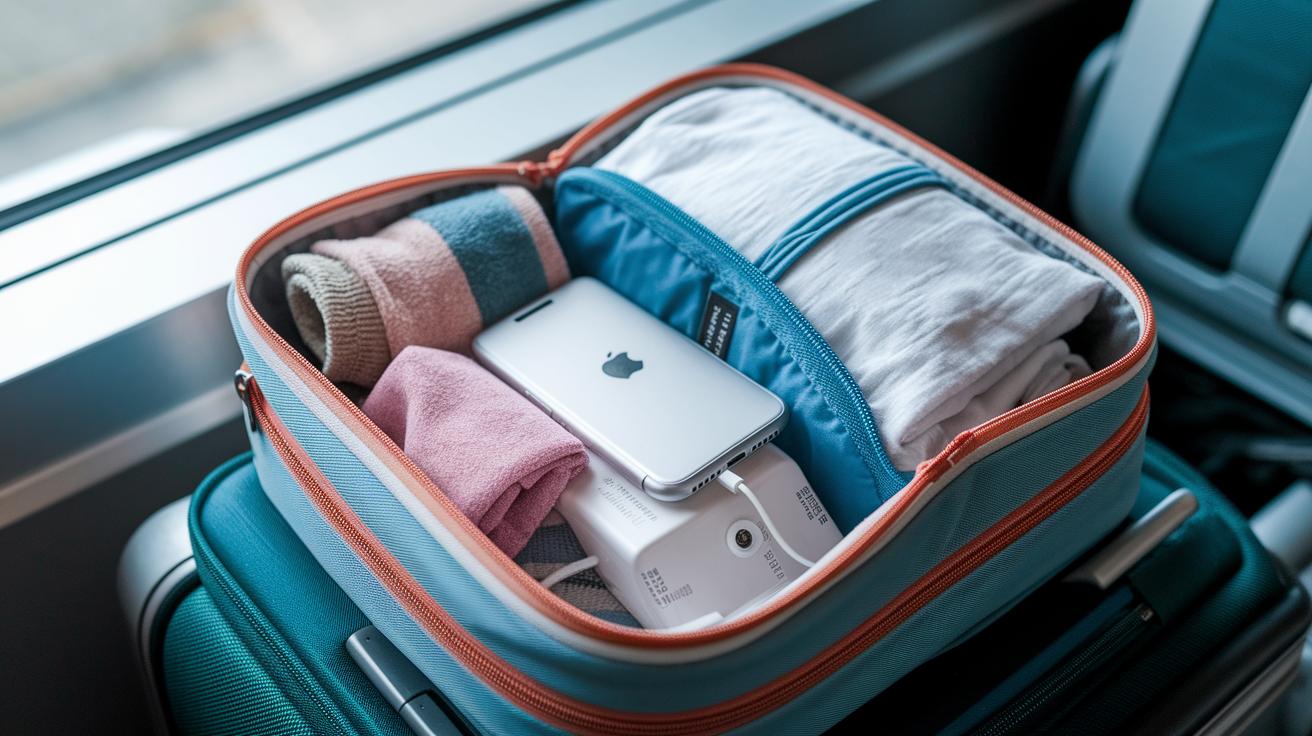
Have you ever wished for a smoother start to your travel day? Traveling with just a carry-on not only saves you the hassle of extra fees, but it also means less worry about lost luggage. Keeping things light and simple with about 8 to 10 key items can make all the difference.
Think about packing a mix of cozy layers, a few must-have toiletries, chargers for your devices, your important travel documents, and a couple of flexible accessories. I love the idea of using packing cubes or compression bags, they group your clothes neatly and give you a pleasant surprise of extra space.
Consider this easy checklist:
- Light jacket or sweater
- Two to three essential clothing layers
- Basic toiletries in travel sizes
- Phone charger and important cables
- Travel documents and passport
- One pair of versatile shoes
- A compact accessory like a scarf or hat
I once heard a traveler say that carrying only eight items made his day stress-free and his bag so light. By keeping your carry-on organized and uncluttered, you get quick access to what you need and glide effortlessly through busy terminals. This minimalist way of packing not only saves you time but also makes your journey feel safer and more carefree.
Airport and In-Flight Comfort Strategies for International Travel
Before you even set foot in the airport, take a moment to explore its layout online. Look up terminal maps, security checkpoints, and baggage claim areas. This little bit of research can save you a lot of time and stress on the travel day. Think of it as planning your route before a fun journey. One traveler even said, "Understanding how the terminal works makes the waiting time feel much shorter." Plus, arriving early gives you a calm check-in and a little time to settle in before your flight.
When booking your flight, consider a late-evening departure around 9 pm. This can help your body adjust to the new time zone, easing jet lag. Once you’re at the terminal, try some light stretching and deep breathing. It’s a gentle wake-up call for your body and gets you ready for a relaxed flight. You might even download a movie, an e-book, or a white-noise app to create a cozy atmosphere onboard. One traveler noted, "Using noise-canceling headphones and a white-noise app turned my in-flight rest into a mini spa session."
For comfort during the flight, consider these tips:
| Bring noise-canceling headphones to block out cabin sounds. |
| Download movies or e-books for some in-flight entertainment. |
| Use meditation apps before takeoff to help you relax. |
To stay connected and keep things organized, try using travel apps for offline maps and digital itineraries. A neat trick is switching between local SIM cards and international roaming. This way, you can easily check your schedule, chat with family, or look up last-minute tips once you land.
By using these airport and in-flight comfort ideas, your journey feels less like a mad dash and more like a smooth adventure. Every little tip, from planning your terminal route to pre-arranging onboard relaxation, comes together to make long flights a more restful and exciting part of your travel story.
Health, Safety, and Emergency Planning for International Travel

Before you set off on your international adventure, a little planning can go a long way. Try using a money belt or a crossbody bag to keep your cash and valuables safe from pickpockets, especially when you’re in crowded places. And remember, busy spots can sometimes be a playground for scams. Ever been offered too-friendly help with your luggage or directed toward an overhyped taxi? Trust your gut if something seems off.
It’s a smart idea to jot down important contact details like your local embassy and emergency numbers. Keep a copy on paper and another in your phone so you can reach out quickly if needed. I once heard about a traveler who felt much more at ease knowing their embassy’s number was saved in both their phone and planner.
Before you travel, take a moment to compare travel insurance plans that cover things like medical evacuations (emergency medical transport) or even trip cancellations. Spending a bit of time now might save you a lot of hassle later. Also, do a quick check online to learn about common scams in your destination, you’ll be happier when you feel prepared.
• Check government and local travel advice before you leave.
• Stay alert in transportation hubs and other crowded spots.
• Carry copies of your passport and other important documents in a safe place.
Taking these extra steps lets you focus on the wonder of exploring new cultures while staying safe and stress-free. Enjoy every moment of your journey!
Cultural Etiquette, Language, and Local Navigation for International Travel
Traveling to a new country is always an adventure, and a little effort to understand local customs can make it even more enjoyable. Start by picking up 5–10 simple phrases in the local language. Even in places where English is common, using local greetings shows that you really care. If you need a bit of help, check out this handy tool: a travel dictionary available at travel dictionary.
It’s also smart to be aware of cultural dos and don’ts. For instance, many European spots already include the service charge, so tipping isn’t expected like it often is in the United States (where 15–20% is standard). And don’t forget to check out unique local rules, such as the gum ban in Singapore or fines for feeding pigeons in Venice. A little research goes a long way toward keeping your trip smooth and respectful.
Getting around can be fun too. Consider snagging a public transit pass or a reloadable transport card for a more cost-effective ride. For some insider tips on navigating local transport, take a look at this insider guide to local transportation hacks.
Quick Tips:
- Learn a few local phrases to connect more easily.
- Understand tipping customs and any included service fees.
- Research unusual local laws before traveling.
- Use public transit passes for stress-free navigation.
- Chat with locals to uncover hidden gems in the city.
Final Words
In the action of planning a trip abroad, this guide served up a handy checklist, from pre-trip research and passport planning to smart budgeting and minimalistic packing. We touched on airport comfort strategies and set up fail-safes for health and emergency issues while respecting local customs.
Following these international travel tips paves the way for a smoother, hassle-free experience. Every bit of advice is designed to warm your travel spirit and help you step confidently into your next exciting destination. Enjoy every step of the way!
FAQ
Frequently Asked Questions
What are some international travel tips shared on Reddit?
The international travel tips discussed on Reddit offer firsthand advice—like planning in advance, verifying document requirements, and using insider insights—to help you prepare and have smoother trips.
What tips do first-time travelers flying abroad need to know?
The tips for first-time international flyers suggest confirming travel documents, selecting flights that match your sleep schedule, and researching local customs so you feel confident and prepared.
What do top travel tips for international trips include?
The top international travel tips include thorough pre-trip research, packing smart using carry-on essentials, checking visa and passport rules, and budgeting wisely to maximize your experience.
What should I do to prepare for international travel?
The steps to prepare for international travel include checking passport and visa validity, setting up your airport exit plan, booking flights and lodging early, and organizing your essential travel documents.
What are some useful tips for international flights?
The essential tips for international flights suggest choosing departure times that align with your sleep cycles, packing carry-on items like noise-canceling headphones, and downloading entertainment ahead for a more comfortable flight.
What do international travel restrictions involve?
The international travel restrictions involve understanding each destination’s entry requirements, health protocols, and legal limitations—making it crucial to check up-to-date guidelines before your trip.
How do COVID-related international travel tips help?
The international travel tips during COVID stress checking current health advisories, meeting vaccination or testing requirements, and staying informed about quarantine rules to keep your trip safe and compliant.
What is the 3:1:1 rule for international travel?
The 3:1:1 rule for international travel governs liquid allowances for carry-ons, meaning you can bring liquids in containers of 3.4 ounces or less, all fitting within one clear, quart-sized bag per traveler.
Is $20,000 enough money to travel the world?
The view on $20,000 suggests that it can work well for a budget-friendly trip, though spending habits and itinerary choices may require a more flexible budget to cover additional expenses.
What should I do with my cell phone when traveling internationally?
The advice for your cell phone abroad is to unlock it for local SIM cards or enable affordable international roaming, and use travel apps to manage connectivity while avoiding costly fees.